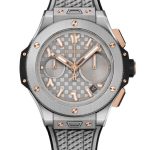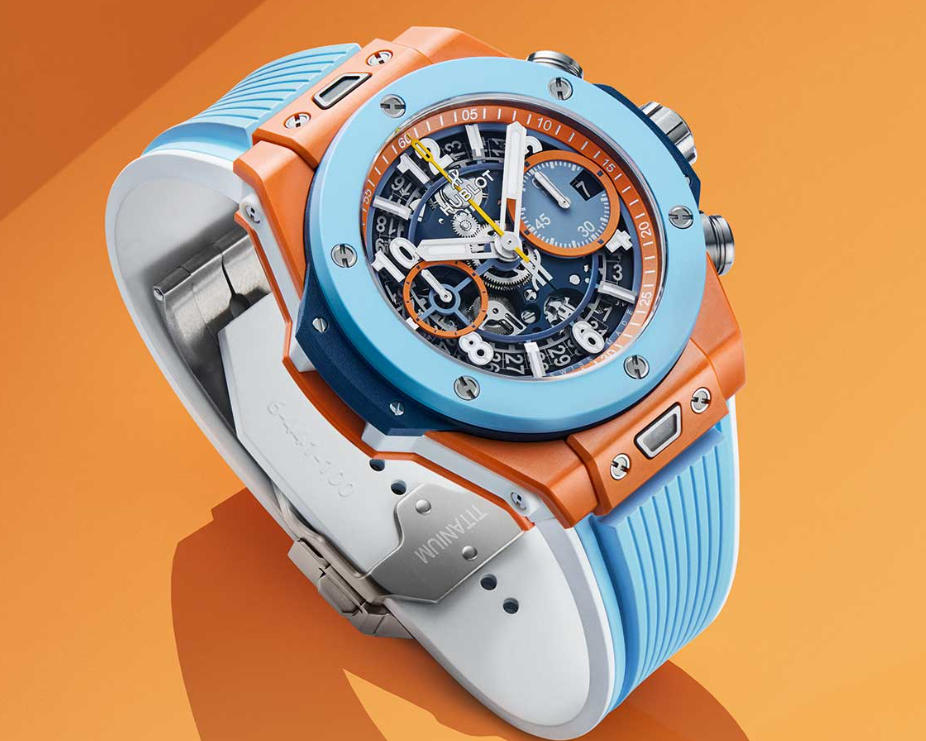
When Hublot launched the Big Bang in 2005, it was immediately clear this was not just another sports chronograph. Until then, the brand had been known mainly for pioneering rubber straps in the 1980s. Under Jean-Claude Biver, the perfect replica Hublot Big Bang watches became both a manifesto and megaphone — a watch that embodied his philosophy of the “Art of Fusion” and announced Hublot as a force in contemporary watchmaking.
The first Big Bang fused materials in a way few had seen before. Steel with ceramic, titanium with gold, a Kevlar insert with a rubber strap — contrasts that traditional Swiss houses avoided but that Biver turned into a new language. Fusion was not only technical, it was also cultural: a watch that merged luxury with sport, horology with fashion, exclusivity with celebrity. The top copy Hublot Big Bang watches was designed to be seen, unapologetic in its ambition to reach beyond the quiet world of collectors.
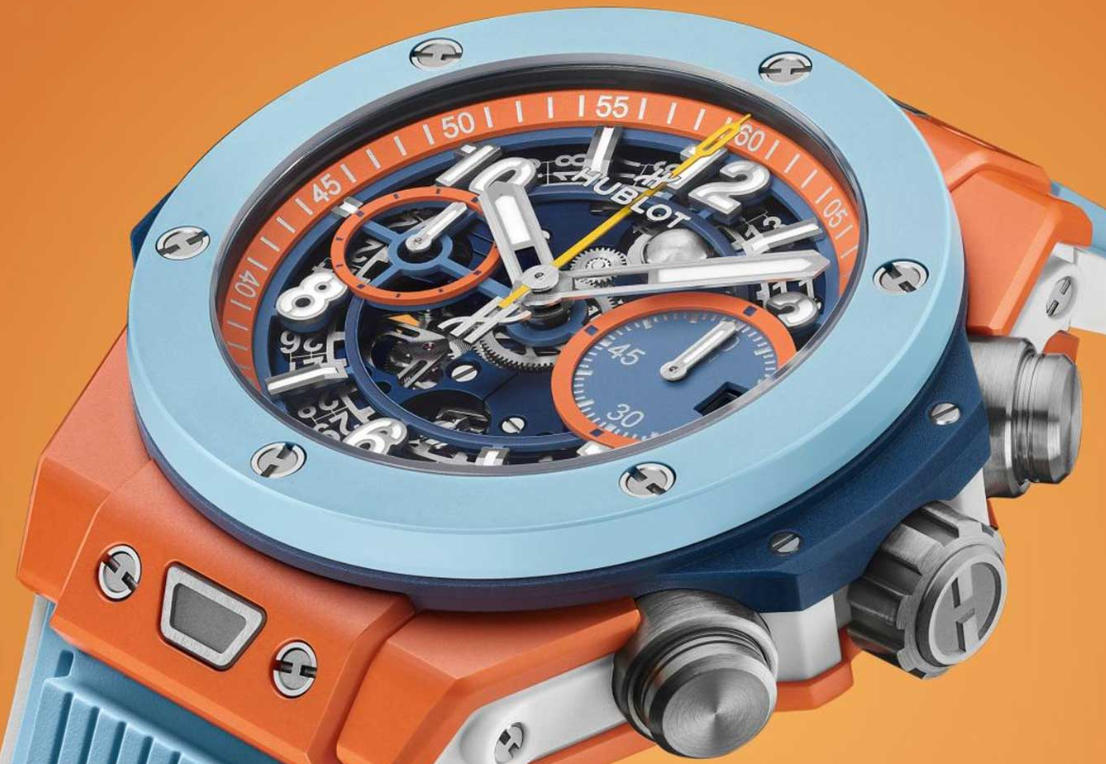
The design was as bold as the idea. At 44mm, the case felt huge in 2005, but its proportions were carefully judged. The bezel, fixed with six H-screws, gave the buy fake watches UK an industrial signature that became instantly recognizable. The layered construction added depth, while crown guards and sharp lugs underlined its muscular stance. This was no vintage revival or cautious update — it looked and felt like a watch of its own time.
The gamble paid off. In just a few years, 1:1 clone Hublot watches went from niche player to headline brand, embraced by athletes, musicians and entrepreneurs who saw in the Big Bang a reflection of their own appetite for visibility. Limited editions, artist collaborations and partnerships with Ferrari and FIFA cemented it as a platform rather than a single model. Behind the noise came genuine progress: colored ceramics, full-sapphire cases and the in-house Unico chronograph movement.
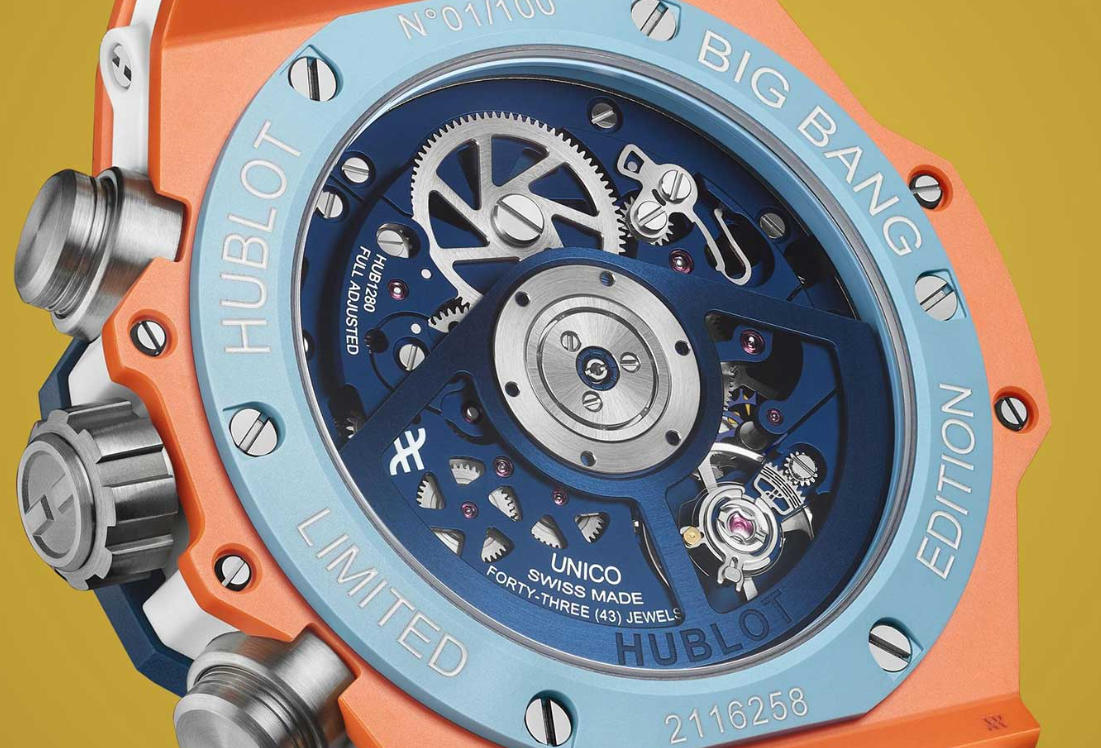
The AAA replica Hublot Big Bang watches was never meant to please everyone. Purists called it brash and too dependent on marketing, and perhaps they were right. But that was the point. It gave Hublot an identity that was impossible to mistake, and in doing so, it broadened the vocabulary of modern watchmaking. Two decades later it still divides opinion — and still proves that relevance doesn’t always come from looking back. Sometimes it comes from daring to speak in the language of the present.